 Skip to content


Probiotics have been used for centuries through fermented foods like yogurt, kefir, and kimchi to support gut health naturally. These beneficial bacteria play a vital role in maintaining digestive balance and overall wellness.
In recent years, probiotics have gained clinical recognition for their role in resetting gut health and managing chronic digestive concerns. But a key question many ask is: What is the real impact of probiotic support for a digestive health reset?
Key takeaways
-
Probiotics help restore gut balance, improve digestion, and support immune and intestinal barrier functions
-
Clinically proven strains reduce symptoms of IBS, constipation, and antibiotic-associated diarrhea effectively
-
Prebiotics enhance probiotic survival, microbial diversity, and short-chain fatty acid production in the gut
-
Timing, dosage, and food pairing influence probiotic effectiveness and strain delivery to the intestines
-
A balanced diet and targeted products like The Good Bug enhance the effectiveness of the digestive health reset
This blog examines how probiotic support for digestive health reset helps restore gut balance, enhance digestion, and promote overall wellness.
The need for a digestive reset
The gut hosts over 100 trillion microbes vital for digestion, immunity, and pathogen defense. Disruptions from diet, toxins, or medications can cause dysbiosis, linked to chronic conditions.
-
Constipation or irregular bowel habits
-
Chronic bloating or excessive gas
-
Food intolerances or sensitivities
-
Persistent fatigue and brain fog
-
Recurring skin problems (e.g., acne, eczema)
Probiotic support helps restore beneficial strains, curb pathogens, and improve overall gut function.
Feeling bloated or irregular due to low fiber intake? Support smoother digestion with The Good Bug’s Prebiotic Fiber Boost. Formulated with 7g plant-based fiber + 3 clinically studied prebiotics to fuel a healthier gut.
Scientific basis for probiotic therapy
Probiotics are live microbes that support health by balancing gut flora, blocking pathogens, strengthening the gut barrier, and modulating immunity (WHO/FAO).
-
Lactobacillus rhamnosus GG: supports intestinal integrity and reduces antibiotic-associated diarrhea
-
Bifidobacterium longum: improves bowel regularity and reduces inflammation in IBS patients
-
Saccharomyces boulardii: a beneficial yeast strain effective against diarrhea and gut dysbiosis
Mechanisms of action in digestive health reset
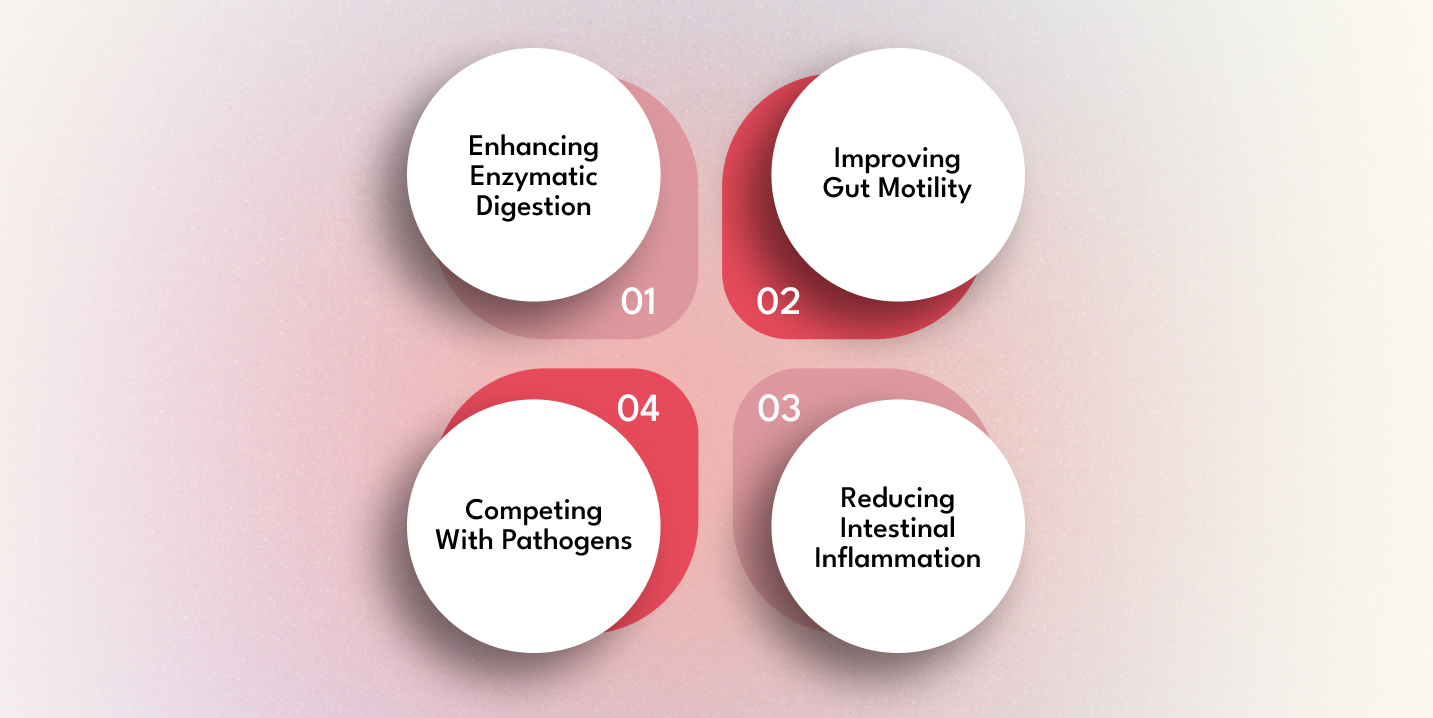
Probiotics enhance gut barrier function by upregulating tight junction proteins like occludin. A meta-analysis of 10 RCTs found probiotics improved stool consistency by a mean difference of 0.71 in IBS-C patients. These effects support the use of probiotics for a digestive health reset.
Enhancing enzymatic digestion
Probiotic strains like Lactobacillus acidophilus and Bifidobacterium animalis produce enzymes (e.g., lactase, proteases, lipases) that improve macronutrient breakdown and reduce symptoms like bloating and gas in lactose-sensitive individuals.
Improving gut motility
Probiotics such as Bifidobacterium lactis BB‑12 and Lactobacillus reuteri have been shown to increase bowel movement frequency and improve stool consistency in constipated adults, according to randomized controlled trials.
Reducing intestinal inflammation
Certain probiotic strains help lower inflammatory markers, such as CRP and TNF‑α, or increase anti-inflammatory cytokines like IL‑10, supporting recovery of gut integrity and reduction of symptoms in IBS and IBD.
Competing with pathogens
Probiotics produce antimicrobial compounds (e.g., lactic acid, bacteriocins) and compete with pathogens like E. coli and Clostridium difficile, reducing their colonization and preventing infections in clinical settings.
Combined, these actions make probiotic support for digestive health a targeted solution for restoring digestive balance.
Synergistic role of prebiotics in digestive reset
A clinical study published in Nutrients reported that 12 weeks of synbiotic supplementation improved microbial richness and altered gut microbiota composition in overweight adults. The results showed increased beneficial bacteria and enhanced SCFA production, key indicators of gut health.
-
Inulin (from chicory root)
-
Fructooligosaccharides (FOS)
-
Resistant starch (found in cooked-and-cooled potatoes and green bananas)
-
Galactooligosaccharides (GOS)
Also Read: Beginner's Guide to Improve Gut Health
Optimizing probiotic intake
Non–enteric coated probiotic formulations, such as L. rhamnosus and B. longum, show the highest survival when taken with or up to 30 minutes before a meal containing fats like milk or oatmeal. Meals with 1% milk fat significantly improve probiotic viability compared to water or juice.
Best practices include:
-
Selecting multi-strain supplements with clinically backed CFU counts (typically 10–20 billion per day)
-
Taking probiotics on an empty stomach for higher survival through stomach acid
-
Storing products according to label (some require refrigeration)
-
Ensuring the presence of strain names (e.g., L. acidophilus NCFM) for research validation
Watch this video to learn how targeted probiotics can reset your gut health and improve digestion, powered by The Good Bug.
Nutritional and lifestyle integration
Dietary choices significantly influence the effectiveness of probiotic support. Fiber-rich whole foods, polyphenols, and fermented items enhance microbial diversity, while processed foods, excess sugar, and alcohol suppress it.
-
Increase intake of leafy greens, legumes, and berries
-
Include fermented foods like kefir, sauerkraut, and kimchi
-
Avoid trans fats, artificial sweeteners (especially sucralose), and preservatives
-
Drink sufficient water to support fiber transit and detox pathways
Therapeutic use in specific conditions
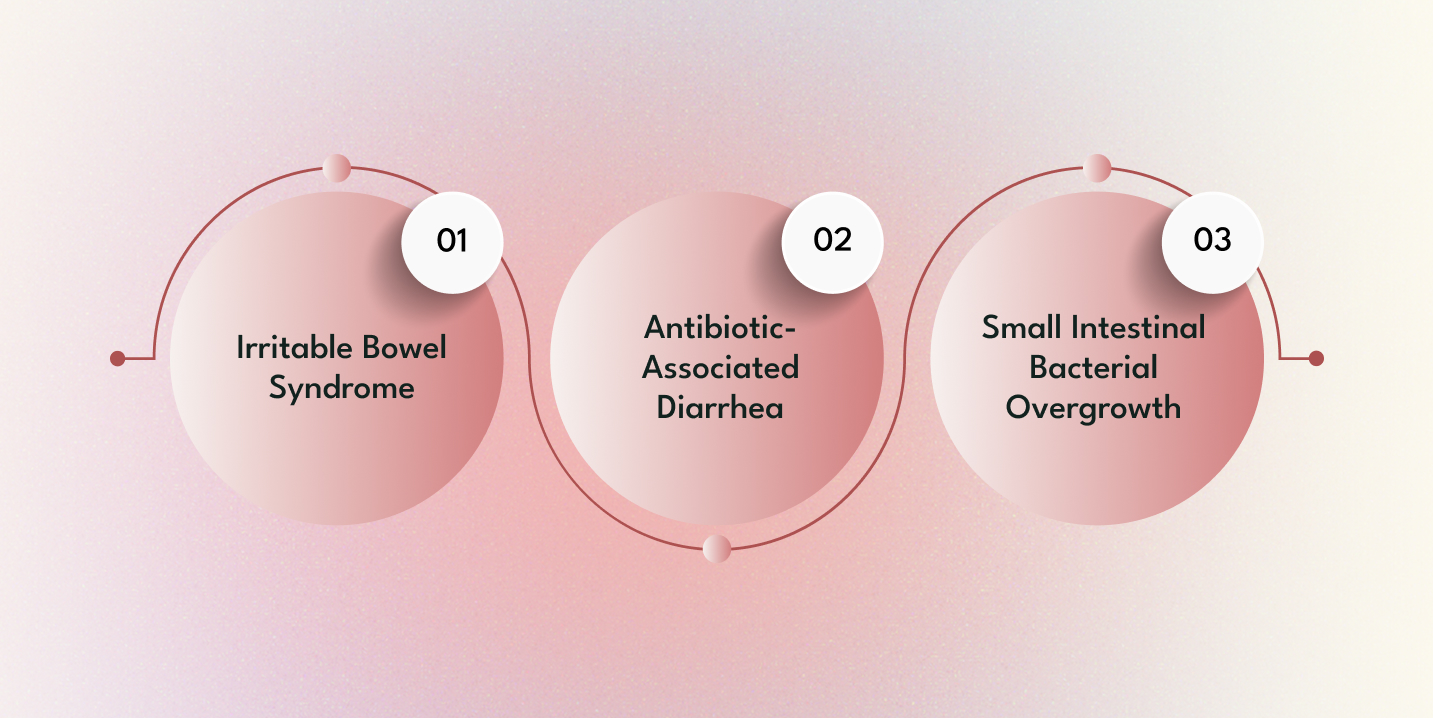
Probiotics help reduce IBS symptoms like bloating and abdominal pain, with multi-strain blends proving most effective. Saccharomyces boulardii reduces antibiotic-associated diarrhea (AAD) risk from about 18.7% to 8.5% in adults and children, a 53% reduction in relative risk (RR = 0.47).
-
Irritable Bowel Syndrome (IBS): Multiple meta-analyses show probiotic supplementation reduces bloating, gas, and abdominal pain
-
Antibiotic-associated diarrhea: Use of S. boulardii and L. rhamnosus has demonstrated significant protective effects
-
Small Intestinal Bacterial Overgrowth (SIBO): Though more complex, certain strains can help regulate microbial load when combined with dietary changes and antimicrobials
Also Read: Top 10 Gut Health Books You Need to Read
Considerations and cautions
While probiotics are safe for most people, they may pose risks in specific medical contexts. Immunocompromised individuals or those with severe underlying conditions should approach probiotic use cautiously.
-
Individuals with compromised immune systems (e.g., undergoing chemotherapy or organ transplant)
-
Patients with central venous catheters or recent major surgery
-
Critically ill patients in intensive care units
-
People with structural heart disease or short bowel syndrome
-
Infants born prematurely or with very low birth weight
Though probiotics are widely recognized for their safety, it’s essential to use them responsibly, especially if managing chronic conditions or undergoing medical treatments. Consult a healthcare professional before starting supplementation, particularly in vulnerable groups.
At The Good Bug, we believe a resilient gut is the foundation of overall wellness. Whether you're recovering from digestive distress or aiming to restore balance after antibiotics, probiotic support offers a science-backed approach.
Ready to reset your gut? Explore The Good Bug’s range of gut-friendly products, crafted to relieve bloating, improve regularity, and restore balance with trusted probiotic support for a digestive health reset.
FAQs
1. Can probiotics help after food poisoning or the stomach flu?
Yes. Certain strains like Saccharomyces boulardii can help restore gut balance, reduce diarrhea duration, and strengthen the intestinal barrier after gastrointestinal infections.
2. Are plant-based probiotics as effective as dairy-based ones?
Yes. The efficacy depends on the strain, not the medium. Plant-based probiotics cultured in non-dairy substrates are equally effective for individuals with lactose intolerance or dairy allergies.
3. Do probiotics help with acid reflux?
Emerging evidence suggests that some probiotic strains can help balance stomach acidity, support gastric mucosa, and reduce reflux symptoms, though results may vary by individual.
4. How do probiotics interact with medications?
Probiotics can be safely taken with most medications, but should be spaced at least 2 hours apart from antibiotics to prevent bacterial kill-off. Consult a healthcare provider if on immunosuppressants or anticoagulants.
5. Is it necessary to rotate probiotic strains periodically?
While not always required, rotating strains or using multi-strain products can help increase microbial diversity and target different digestive functions over time.
