 Skip to content


Gastric problems are a common challenge that many face daily, and they often disrupt digestion, energy levels, and overall well-being. Whether it's bloating, acidity, or more chronic conditions like Irritable Bowel Syndrome (IBS), digestive discomfort can affect your quality of life. The good news is that there are natural, home-based solutions that can help alleviate these issues, offering long-term relief and improved gut health.
The key to managing gastric problems is understanding their root causes, which often include poor dietary habits, stress, and an unhealthy lifestyle. This article will cover the common causes and symptoms of gastric issues and provide natural remedies that you can easily incorporate into your routine.
Let’s explore how small changes can make a big difference to your digestive health.
Key takeaways
-
Common causes: Poor diet, stress, and medication side effects contribute to gastric issues like bloating, acidity, and IBS
-
Natural remedies: Herbal teas (ginger, mint, fennel), warm lemon water, fiber-rich foods, and prebiotics can alleviate symptoms
-
Lifestyle changes: Regular meal times, smaller meals, exercise, and stress management (yoga, meditation) are key for long-term relief
-
When to seek medical help: Persistent symptoms, blood in stool, severe pain, or unexplained weight loss require medical attention
Understanding gastric problems: causes and symptoms
Gastric problems are becoming increasingly prevalent due to fast-paced lifestyles and dietary choices. They often arise from an imbalance in the digestive system, causing discomfort and affecting your overall health. Recognizing the causes and symptoms is the first step toward finding effective relief.
Common causes of gastric problems
Gastric issues typically arise from a combination of poor eating habits, stress, and environmental factors. The following are the most common causes:
-
Poor diet: Eating heavy meals late at night, consuming foods high in fat or sugar, and overeating can strain the digestive system
-
Stress and anxiety: These emotional triggers can disrupt the body’s natural digestive process, leading to issues like bloating and acid reflux
-
Medication side effects: Long-term use of medications like non-steroidal anti-inflammatory drugs (NSAIDs) can irritate the digestive tract, causing discomfort and acidity
Symptoms of gastric problems
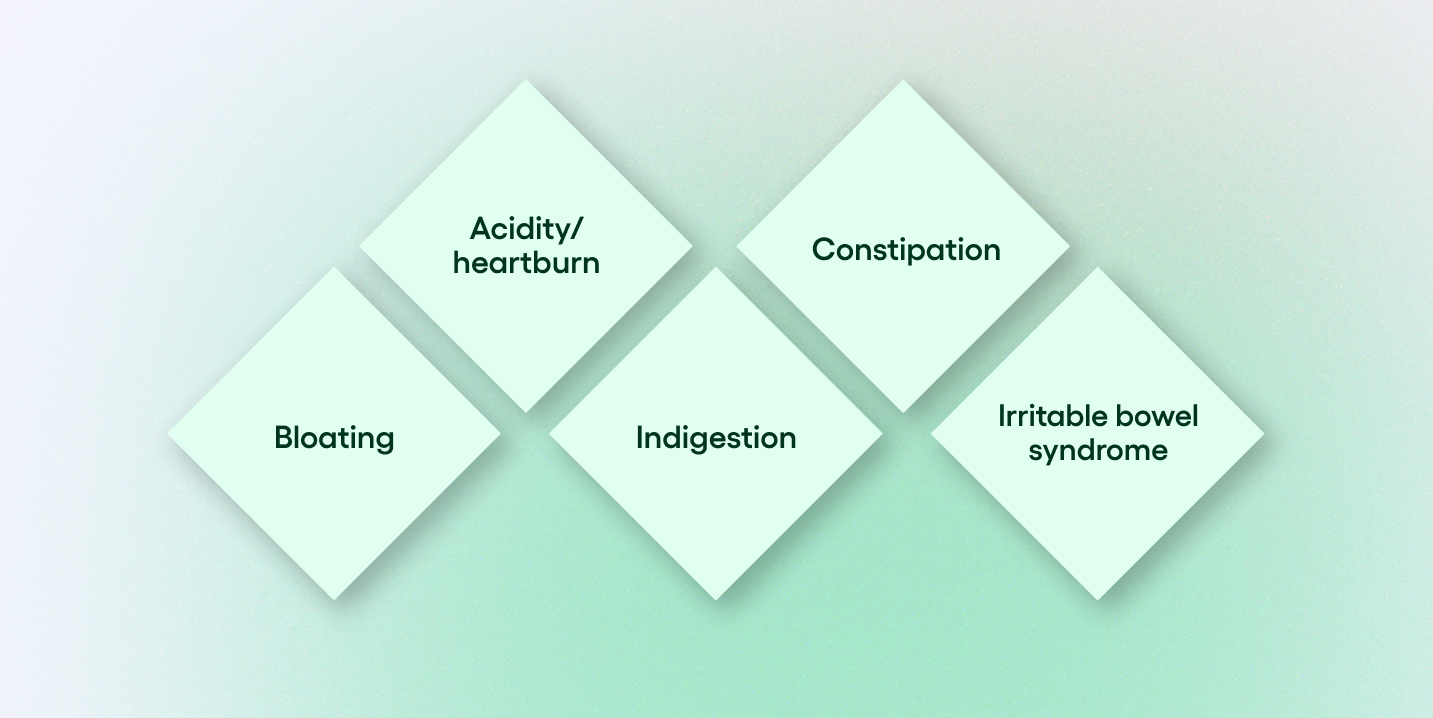
Gastric problems manifest in various ways, depending on their severity and cause. Common symptoms include:
-
Bloating: A feeling of fullness or puffiness, often associated with discomfort and gas buildup
-
Acidity/heartburn: A burning sensation in the chest or throat caused by stomach acid refluxing into the esophagus
-
Indigestion: General stomach discomfort, often accompanied by nausea, belching, or a feeling of fullness after meals
-
Constipation: Difficulty passing stools, which may leave you feeling bloated or uncomfortable
-
Irritable bowel syndrome (IBS): A condition characterized by alternating episodes of diarrhea and constipation, often accompanied by abdominal cramps and bloating
When left untreated, these symptoms can lead to more severe complications such as ulcers, acid reflux disease, and damage to the digestive tract.
Natural remedies to cure gastric problems at home
While medication can help in some cases, many gastric issues can be managed naturally through diet, hydration, and simple home remedies.
Herbal teas and their soothing effects
Herbal teas are known for their calming effects on the digestive system. Ingredients like ginger, mint, and fennel are particularly effective for easing bloating, acidity, and indigestion.
-
Ginger tea: Ginger is a powerful anti-inflammatory herb that stimulates digestion and alleviates bloating, nausea, and indigestion
-
Mint tea: Mint relaxes the digestive muscles and helps reduce bloating and indigestion. Its menthol content aids in bile flow, which helps ease trapped gas
-
Fennel tea: Fennel is known for reducing bloating and soothing cramps. It helps relax the muscles of the gastrointestinal tract, allowing for easier digestion and gas release
For practical, science-backed strategies to soothe acidity and balance your gut, watch this video: "FIX ACIDITY in 14 Days - Here's How!" and learn effective tips you can start applying today.
These teas are simple to prepare and can be consumed regularly to support digestive health.
Importance of hydration and simple water-based remedies
Hydration plays a vital role in digestive health. Drinking water regularly can help keep the digestive system moving smoothly, preventing constipation and bloating.
-
Warm water: Drinking warm water stimulates the digestive system, helping food move smoothly through the intestines. It also dissolves food particles, preventing bloating and indigestion
-
Lemon water: Lemon stimulates stomach acids, improving digestion and helping the body break down food more effectively. Drinking warm lemon water in the morning can help flush toxins and support digestion throughout the day
Incorporating these simple water-based remedies into your daily routine can help promote regular bowel movements and overall gut health.
Dietary adjustments for better digestion

Diet plays a crucial role in managing gastric problems. By making small adjustments, you can improve digestion and reduce the risk of common gastric issues.
-
Fiber-rich foods: Fiber promotes smooth digestion and prevents constipation. Foods like whole grains, vegetables, fruits, and legumes are excellent sources of fiber that bulk up stool and aid digestion
-
Probiotics: Probiotics replenish beneficial bacteria in the gut, improving digestion and supporting bowel regularity. Fermented foods like yogurt, kefir, and kimchi are rich in probiotics and can help restore balance to your gut microbiome
By incorporating fiber-rich foods and probiotics into your diet, you can promote better digestion and reduce common gastric problems like bloating and acidity.
Home treatments using natural ingredients
Certain natural ingredients, such as turmeric and apple cider vinegar, are powerful remedies for gastric issues due to their anti-inflammatory and pH-balancing properties.
-
Turmeric: The compound curcumin in turmeric has strong anti-inflammatory properties that help reduce gastric irritation. It also balances stomach acids and promotes better digestion
-
Apple cider vinegar: Despite being acidic, apple cider vinegar can help balance stomach pH levels, especially for those with low stomach acid. When diluted in water, it promotes digestion and reduces bloating and indigestion
These simple home treatments can provide quick relief from gastric issues when incorporated into your diet.
Lifestyle changes to support long-term gastric health
While natural remedies can help alleviate gastric problems in the short term, long-term relief requires lifestyle changes. A holistic approach, including stress management, exercise, and mindful eating habits, can significantly improve your digestive health.
Stress management techniques
Stress is a major contributor to gastric problems, often triggering issues like bloating, acidity, and IBS. Managing stress is crucial for digestive health.
-
Yoga: Certain yoga poses, like Child's Pose and Seated Twist, can help alleviate bloating and improve blood flow to the digestive organs, promoting better digestion
-
Meditation: Meditation helps calm the nervous system, reducing stress hormones that interfere with digestion. A few minutes of deep breathing or mindfulness daily can support gut health
Incorporating yoga and meditation into your routine can reduce stress and enhance digestive health.
The role of exercise in improving digestion
Exercise not only improves overall fitness but also supports your digestive system. Physical activity keeps food moving through your intestines, reducing the risk of constipation.
-
Improves gut motility: Exercise stimulates muscles in the digestive tract, promoting smoother bowel movements and reducing constipation
-
Reduces bloating: Physical activity helps release gas trapped in the stomach, alleviating bloating and discomfort
-
Balances gut flora: Regular exercise supports a healthy gut microbiome, essential for optimal digestion and immune function
Aim for 30 minutes of moderate exercise daily to keep your digestive system in top shape.
Proper meal timings and portion control for gastric relief
Eating habits play a significant role in maintaining a healthy digestive system. Small changes to meal timings and portion sizes can reduce gastric discomfort.
-
Regular meal times: Eating at consistent times each day helps regulate your digestive system, ensuring it functions properly
-
Smaller, frequent meals: Opt for smaller meals more frequently throughout the day to prevent overloading your stomach and promote efficient digestion
-
Avoid late-night meals: Eating too close to bedtime can lead to indigestion. Finish your meals at least 2-3 hours before going to bed
By making these small adjustments, you can alleviate common digestive issues and support long-term gastric health.
When to seek medical attention for gastric problems
While natural remedies and lifestyle changes can help, sometimes professional medical intervention is necessary. Recognizing when to consult a healthcare provider can prevent complications and ensure proper treatment.
Gastric problems are common, but they don't have to disrupt your daily life. By understanding the causes, adopting natural remedies, and making lifestyle changes, you can significantly improve your digestive health. However, if symptoms persist or worsen, it's important to seek professional medical advice.
Take control of your digestive health with The Good Bug. Explore our range of gut-friendly products for lasting relief and a balanced gut today!
FAQs
1. Can stress really cause gastric problems, and how can I manage it naturally?
Yes, stress can disrupt digestion and trigger gastric issues like acid reflux and bloating. Natural management includes relaxation techniques such as meditation, yoga, deep breathing exercises, and maintaining a balanced lifestyle to lower stress levels.
2. Are there specific foods I should avoid to prevent gastric problems?
Yes, common triggers include spicy foods, caffeine, carbonated drinks, fatty and fried foods, and excessive sugar. Reducing these can help minimize gastric discomfort and acidity.
3. How does gut microbiome imbalance contribute to gastric problems?
An imbalance in gut bacteria can lead to poor digestion and inflammation, worsening symptoms like bloating and indigestion. Supporting gut health through probiotics and prebiotics can restore balance and ease gastric issues.
4. Can regular exercise help reduce gastric symptoms?
Absolutely. Moderate exercise improves gut motility, reduces bloating by releasing trapped gas, and supports a healthy gut flora, all of which contribute to better digestion and fewer gastric problems.
