 Skip to content


Have you ever finished a meal only to feel uncomfortably full and bloated? That overstuffed, tight sensation can leave you feeling sluggish and uncomfortable, often affecting your ability to enjoy the rest of your day. While occasional bloating can be normal, persistent or severe bloating might indicate an underlying issue that needs attention.
In this blog, we’ll explore the common causes of bloating and provide effective treatments to help you feel better. Whether it’s from overeating, digestive issues, or food intolerances, understanding what’s behind your bloated stomach can help you find relief.
Key takeaways
-
Bloating can be caused by overeating, digestive issues, high-sodium foods, and hormonal changes
-
Common symptoms include fullness, tightness, gas, abdominal pain, and visible distension
-
Treatments include dietary changes, staying hydrated, probiotics, herbal teas, and light exercise
-
Prevent bloating by eating smaller meals, managing stress, and maintaining a healthy gut microbiome
-
Seek medical help if bloating is accompanied by severe pain, unexplained weight loss, or changes in bowel habits
What causes a bloated and full stomach?
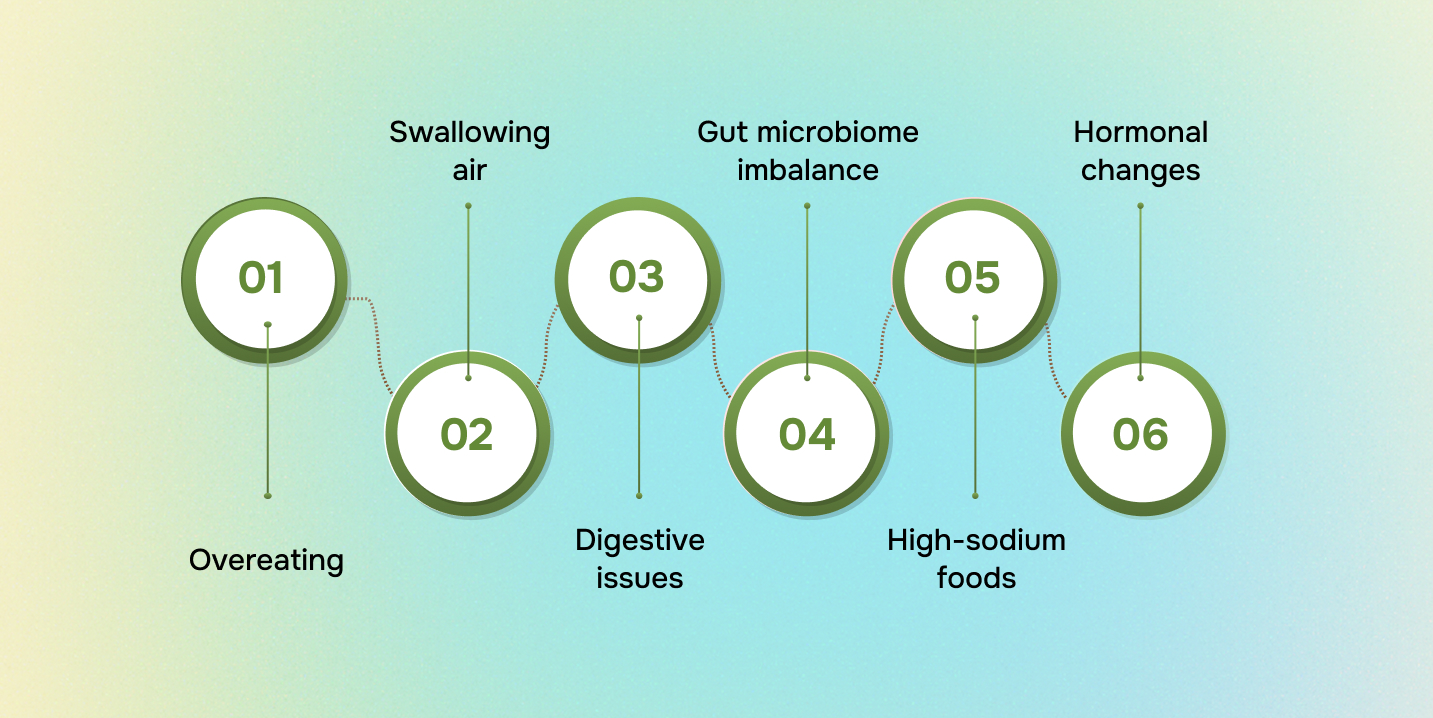
Bloating can happen due to a variety of factors, many of which are often diet or lifestyle-related.
-
Overeating
The most obvious cause of a bloated stomach is overeating. Large meals stretch the stomach, slowing digestion and causing discomfort. Eating fast can also lead to swallowing air, which can exacerbate the feeling of fullness.
-
Swallowing air
Every time you chew gum, drink through a straw, or eat while talking, you swallow air. This extra air gets trapped in the digestive system and can cause bloating, discomfort, and even excessive burping or flatulence.
-
Digestive issues
If your digestive system isn’t functioning optimally, it can lead to bloating. Conditions like indigestion, food intolerances (e.g., lactose, gluten), and irritable bowel syndrome (IBS) can all contribute to a feeling of fullness and discomfort in your stomach.
-
Gut microbiome imbalance
The bacteria in your gut play an important role in digestion. Gut bacteria (dysbiosis) imbalance can lead to bloating as certain bacteria may produce more gas during digestion. This could be the result of a poor diet, stress, or even antibiotics.
-
High-sodium foods
A high-salt diet can result in water retention, leading to bloating. Processed foods, restaurant meals, and packaged snacks often contain more sodium than expected, contributing to water retention.
-
Hormonal changes
For many women, bloating is a regular occurrence due to hormonal fluctuations, particularly during menstruation or pregnancy. Fluctuating progesterone and estrogen levels can lead to water retention, causing a bloated feeling in the body.
Understanding the many causes of bloating is crucial for finding the right solution.
Also read: Simple Ways to Support Your Gut: Tips for a Healthy Digestive System
Symptoms of a bloated stomach
A bloated stomach can come with a range of symptoms. Here’s a deeper look at the most common signs:
-
Fullness and tightness
The most obvious symptom is the feeling of fullness or tightness in the abdomen. This occurs when your stomach is distended due to excess gas, food, or water retention. Your stomach may feel stretched, and even small amounts of food can lead to discomfort.
-
Excess gas
Increased gas production can result in bloating, leading to excessive burping or flatulence. This is common when the digestive system is processing food slowly or inefficiently.
-
Abdominal pain
Some people experience sharp or cramping pains due to bloating. This can happen when gas gets trapped in the digestive tract, causing discomfort or pain that can range from mild to intense.
-
Visible distension
In some cases, bloating causes visible swelling in the abdomen. You may notice your stomach looks puffed up or larger than usual, and your clothing may feel tighter around your midsection.
-
Nausea
Bloating can sometimes cause nausea, especially if the gas buildup causes significant discomfort. The sluggish digestion and feelings of fullness can make you feel unwell or sluggish.
-
Changes in bowel movements
Constipation or diarrhea often accompanies bloating, especially if it’s caused by digestive issues like IBS. Irregular bowel movements can further worsen the feeling of a bloated stomach.
These symptoms are often manageable with the right changes to your diet and lifestyle.
Try The Good Bug’s Prebiotic Fiber Bars, which are a great option to support gut health and reduce bloating.
Effective treatments for a bloated stomach
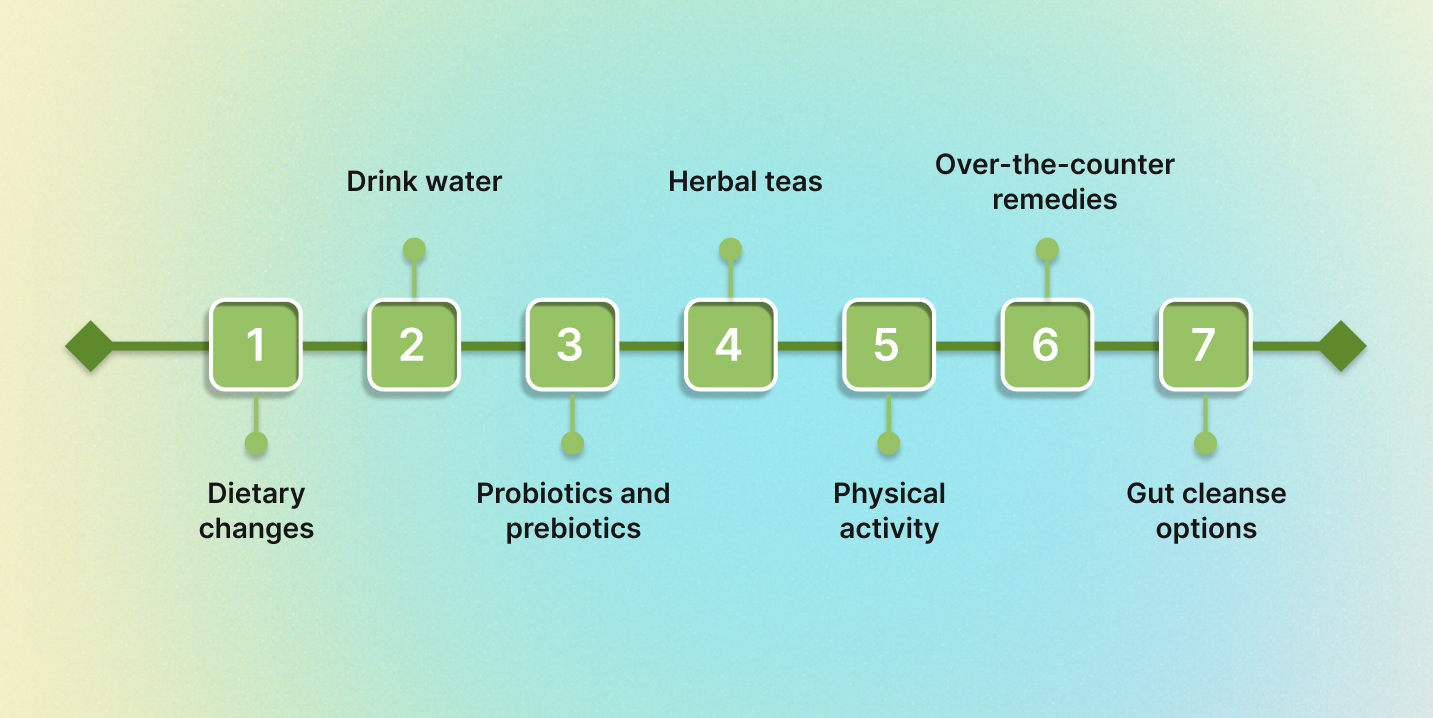
There are several ways to treat bloating and bring relief to your stomach.
-
Dietary changes
Start by cutting out foods known to cause bloating, such as beans, cabbage, and carbonated drinks. Replace them with fiber-rich foods like leafy greens, fruits, and whole grains to help digestion. Also, cutting back on processed foods can reduce water retention.
-
Drink water
It might sound counterintuitive, but staying hydrated can help reduce bloating. Drink enough water to help your digestive system work properly, which can reduce water retention. Aim for at least 8 glasses of water per day.
-
Probiotics and prebiotics
Try including probiotics in your diet, which are found in fermented foods like yogurt, kimchi, and kefir, to help balance the gut microbiome. Prebiotics found in foods like garlic, onions, and bananas help nourish healthy bacteria in your gut, further promoting digestion and reducing bloating.
-
Herbal teas
Peppermint, ginger, and chamomile teas are excellent for calming the stomach and reducing bloating. These herbs help relax the digestive muscles and relieve gas and discomfort.
-
Physical activity
Light physical workouts, such as walking or yoga, can help with digestion and encourage the passage of gas, reducing bloating. Even a short walk after meals can make a significant difference in preventing bloating.
-
Over-the-counter remedies
Simethicone-based products, which break down gas bubbles in the digestive tract, can help relieve bloating caused by gas. Activated charcoal is another option that can reduce excess gas buildup and help with bloating.
-
Gut cleanse options
For more severe bloating, consider using a gut cleanse product like The Good Bug’s Gut Cleanse. It helps eliminate waste buildup, reduce bloating, and prepare your gut for better digestion.
While these treatments can help reduce bloating, making better lifestyle choices is a better way to prevent bloating.
Lifestyle habits to prevent bloating
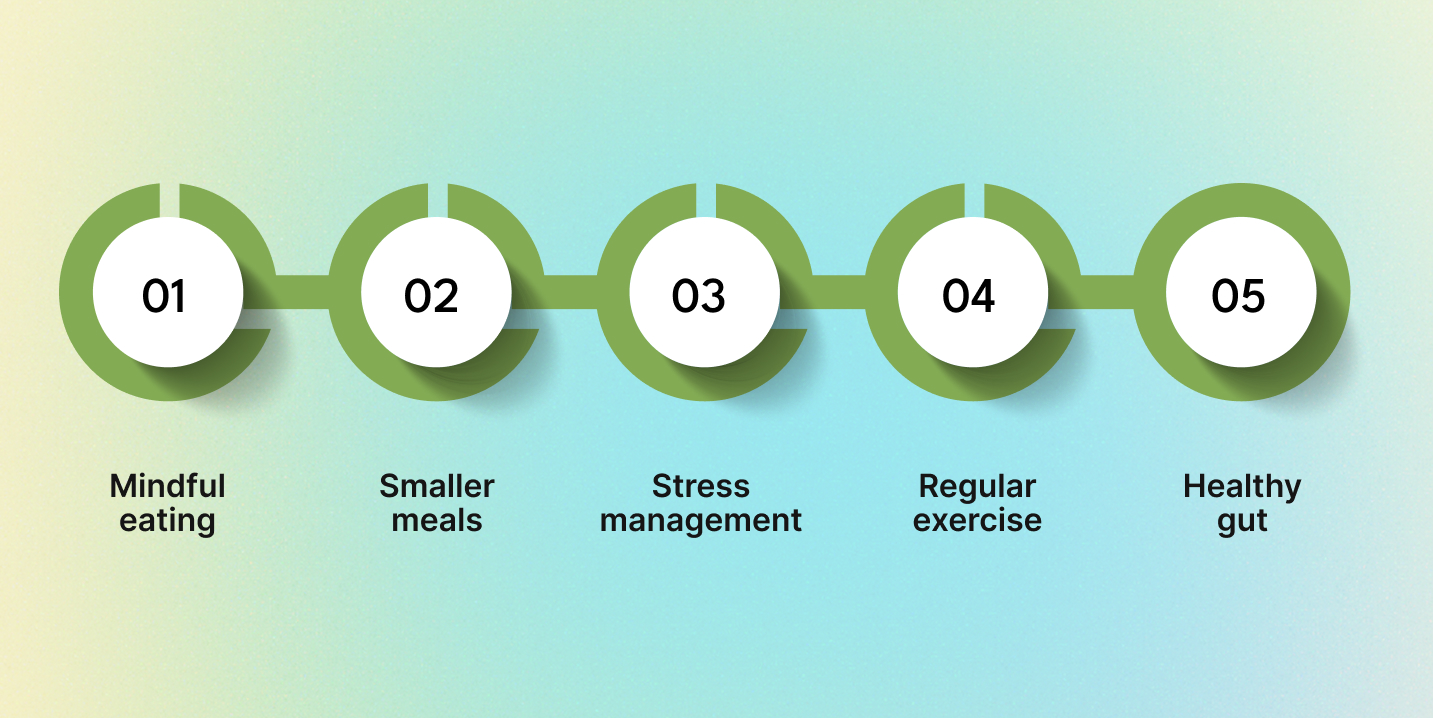
Making some lifestyle changes can go a long way in preventing bloating.
-
Mindful eating
Eating fast or not chewing your food thoroughly can cause bloating. Slow down, take smaller bites, and chew properly to reduce the amount of air you swallow and aid digestion.
-
Eat smaller, frequent meals
Try eating smaller meals to help prevent your stomach from becoming overwhelmed and reduce bloating.
-
Stress management
Stress can slow digestion and lead to bloating. Include calming techniques and relaxation in your daily routine, like meditation, deep breathing, or yoga, to help reduce stress and support digestion.
-
Exercise regularly
Regular workouts promote healthy digestion and prevent constipation, which could lead to bloating. Try to exercise for at least 30 minutes most days of the week.
-
Maintain a healthy gut microbiome
Incorporating more fiber and probiotic-rich foods into your diet can help balance your gut bacteria, improving digestion and reducing bloating over time.
Adopting these habits can help you prevent bloating from becoming a recurring issue.
If acidity is a concern contributing to your bloated feeling, check out this helpful YouTube video on fixing acidity in 14 days for natural solutions.
When to seek medical help
While occasional bloating is normal, persistent or severe bloating can indicate an underlying health condition.
-
Severe or constant pain
Sharp or persistent abdominal pain combined with bloating could indicate a more serious condition, such as an intestinal blockage, appendicitis, or gallstones. It's important to seek immediate medical attention.
-
Unexplained weight loss
Unexplained weight loss along with bloating could signal underlying gastrointestinal conditions, such as celiac disease, Crohn's disease, or even cancer.
-
Persistent diarrhea or constipation
If bloating is combined with chronic diarrhea or constipation, it may indicate an underlying condition such as IBS, food allergies, or a gut infection.
-
Blood in stool or vomiting
If you notice blood in your stool or vomit, or if you experience severe nausea with bloating, seek medical attention immediately. This could indicate a serious gastrointestinal issue.
If any of these symptoms are present, it's important to see a healthcare provider as soon as possible for an accurate diagnosis and treatment. With proper care, bloating can often be managed and prevented.
Bloating is a frequent concern that can leave you feeling uncomfortable and uneasy; however, by understanding the causes and treatments, you can find effective relief. By adopting a healthy diet, staying hydrated, practicing mindful eating, and making small lifestyle changes, you can manage and even prevent bloating. If bloating persists, don’t hesitate to seek medical advice for a proper diagnosis.
For additional digestive support, consider trying The Good Bug’s Gut Cleanse | 14 Prebiotic Colon Detox Shots, which helps eliminate waste buildup and promote healthy digestion.
FAQs
-
How do I get rid of stomach bloating and fullness?
Eating smaller meals, staying hydrated, and incorporating probiotic-rich foods can help reduce bloating. Herbal teas like peppermint or ginger also promote digestion and provide relief.
-
What can I do when I feel too full and bloated?
Engaging in light physical activity, like a walk, can help stimulate digestion and ease the sensation of fullness. Drinking water or herbal tea can also help soothe your stomach and provide relief.
-
What are the natural remedies for bloating?
Herbal teas (peppermint, ginger), probiotics, and eating fiber-rich foods can all naturally alleviate bloating. Drinking plenty of water also helps to flush out excess sodium and reduce bloating.
-
How can I get beat bloating in 5 minutes?
Gentle movement, like walking, can promote gas release. You can also try taking a warm bath or using a heating pad to relax your abdominal muscles and reduce discomfort.
-
How do I remove gas and bloating from my stomach instantly?
Drink water or herbal tea to help release trapped gas. A quick walk, along with light stretching, can also relieve bloating by encouraging digestion.
